
People have always trusted me with their stories.
Since I was a child, I’ve been drawn to conversations about what people carry inside—the feelings, questions, longings, and dreams that shape our lives. Even with people I had just met, conversations often moved quickly into deeper territory. People trusted me with parts of their story they had never shared before, and I always felt honored to listen and hold that trust with care.
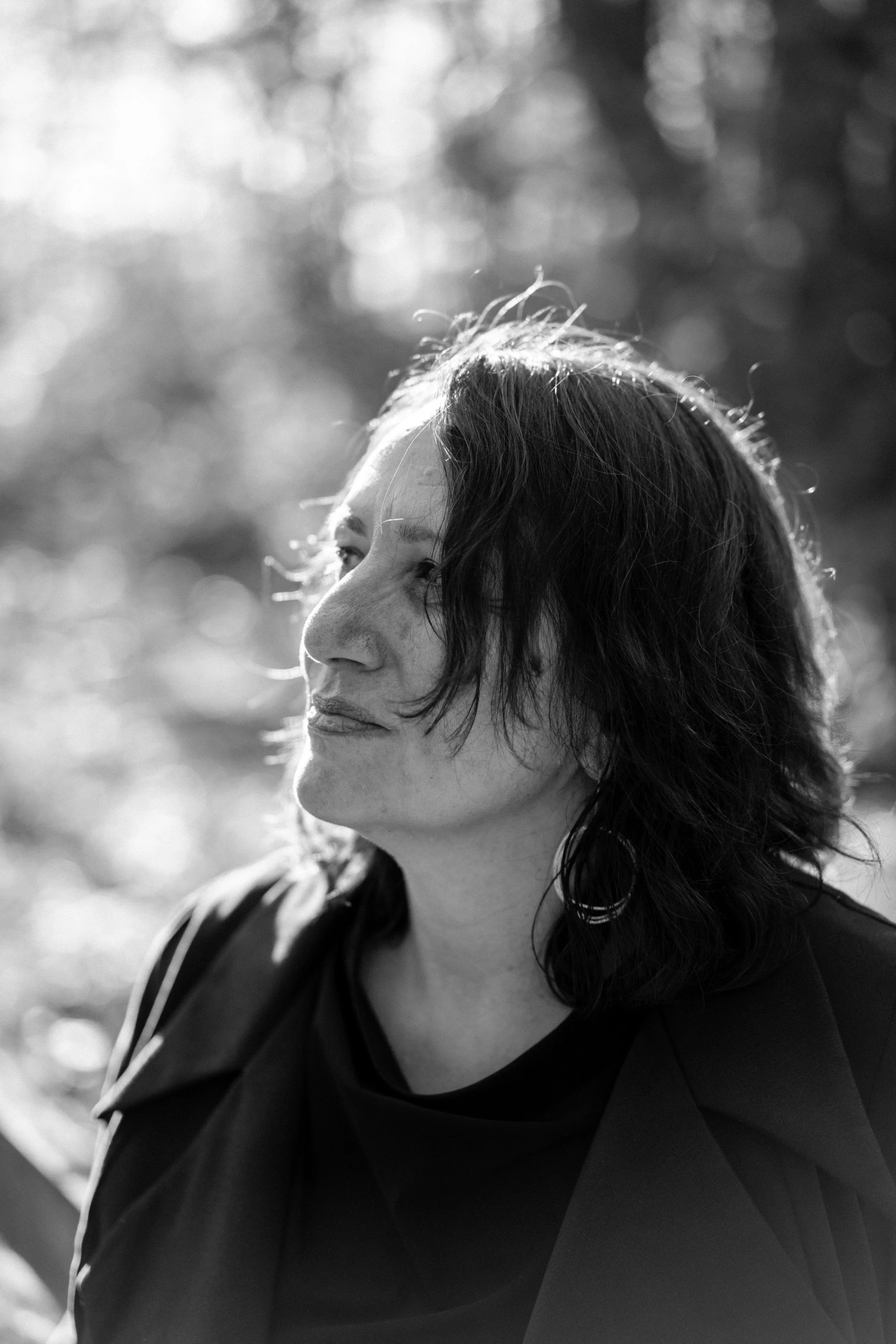
My story
Being a therapist is not simply a profession for me—it is a way of life and a calling.
At 29, a serious injury left me virtually unable to walk for nearly two years. I could no longer continue the physical work I had been doing and I was forced to pause and reflect on how I wanted to move forward.
A few people told me I should consider becoming a therapist. Through many hours of introspection and writing poetry and personal essays, I came to the realization that they were right: this vocation was the natural path for me to walk; it was who I had always been.

therapeutic approach
My therapeutic style is collaborative, empowering, and sensitive to your cultural context.
My approach, which is trauma-informed and honors the wisdom of your nervous system, is greatly influenced by Internal Family Systems (IFS). IFS is a model of therapy that holds that we have many different parts of ourselves (e.g., the inner critic, the workaholic, the wounded child, etc.), each with their own important role in our internal world. IFS offers a way for us to heal the burdens we took on during traumatic or negative events, often early in life; these burdens often come in the form of negative beliefs about ourselves or the world. Identifying and healing these burdens can help us to have more choices in how we live our lives and have relationships in the present time. IFS also offers a way that we can develop more curiosity and compassion for the behaviors we carry shame about and are pathologized by others (e.g., addictive, compulsive or destructive behaviors). Paradoxically, this opens the possibility for them to shift.
My therapeutic approach is also influenced by other models I have studied, including Intimacy From the Inside Out®, Eye Movement Desensitization Reprocessing (EMDR), Sensorimotor Psychotherapy, and Motivational Interviewing.
Licensure, Education, and Training
Licensed Independent Clinical Social Worker (LICSW, Massachusetts 116639)
Master of Social Work, Boston University School of Social Work (2006)
Couple and Family Therapy Certificate, Training Therapy Boston
Group Work Certificate, Boston University School of Social Work
IFS trainings: Levels 1, 2 and 3; IFS, Trauma and Neuroscience; Eating Disorders and Addictions; Healing Circles: IFS with Groups
Intimacy From the Inside Out® trainings: IFIO Basic; IFIO Advanced; Betrayal and Repair; Shame and the Brain; Sexuality Matters; Love, Autism, and ADHD
Eye Movement Reprocessing and Desensitization (EMDR) (Levels 1 and 2)
Sensorimotor Psychotherapy, Treatment of Trauma (Level 1)
Professional Experience
Private Practice (2015-Present)
Co-Lead Trainer, Intimacy From the Inside Out® (started trainer track, 2021)
Bilingual therapist, two community health centers in Boston (2007-2021)
Adjunct professor, Adult Trauma, Boston University School of Social Work (2019) and Boston College School of Social Work (2021)
Presenter, IFS Conferences in the United States (2016, 2017) and Moscow, Russia (online) (2025)
Background in HIV/AIDS public health program management and training